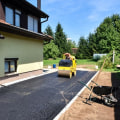
Newly paved surfaces, whether asphalt driveways, concrete walkways, parking lots, or commercial pads, begin their lifespan in a surprisingly vulnerable state. Even after the material appears fully set, it continues curing beneath the surface for weeks or even months. During this period, the pavement is highly susceptible to staining, surface abrasion, moisture intrusion, and structural weakness caused by trapped debris. Dirt, sand, oil drips, construction residue, and organic matter can quickly settle into the surface pores, especially with concrete. Without proper protection and early-stage cleaning, these contaminants become embedded, leading to premature discoloration, surface breakdown, and long-term maintenance issues that could have been prevented.
Removing Construction Debris and Surface Contaminants
After paving is completed, fine dust, gravel particles, loose aggregate, and residue from surrounding construction activity often remain scattered across the surface. These materials may seem harmless at first, but foot traffic and vehicle movement grind them into the pavement, weakening the top layer and accelerating wear. Professional cleaning removes this abrasive debris using tools and methods designed specifically for new pavement, preventing surface scarring and micro-fractures. Early removal of these contaminants preserves the smooth integrity of the paving material and protects the uniform finish that gives new surfaces their clean, polished appearance.
Preventing Fluid Stains and Chemical Damage
Fresh pavement is highly absorbent, especially in the case of new concrete and recently laid asphalt. Oil, gasoline, fertilizer runoff, cleaning chemicals, and even organic liquids can penetrate deeply into the surface if not quickly addressed. Once absorbed, these substances cause permanent staining and gradually weaken the molecular structure of the pavement. Professional cleaning services use surface-safe degreasers and neutral cleaning agents to lift these contaminants before they bond to the surface. This proactive approach keeps the pavement looking new while preventing chemical reactions that contribute to early surface deterioration.
Protecting Structural Integrity and Drainage
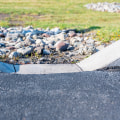
Proper cleaning also plays a key role in protecting the structural performance of newly paved areas. Dirt and sediment buildup can block surface drainage, causing water to pool rather than flow off correctly. Standing water is one of the most damaging elements to new pavement, as it seeps into microscopic pores and weakens the curing process. During temperature changes, that trapped moisture expands and contracts, leading to surface cracking and early erosion. Professional cleaning restores clear drainage paths and ensures water flows as intended, preserving both the appearance and internal strength of the paved surface.
Enhancing Curb Appeal and Surface Longevity
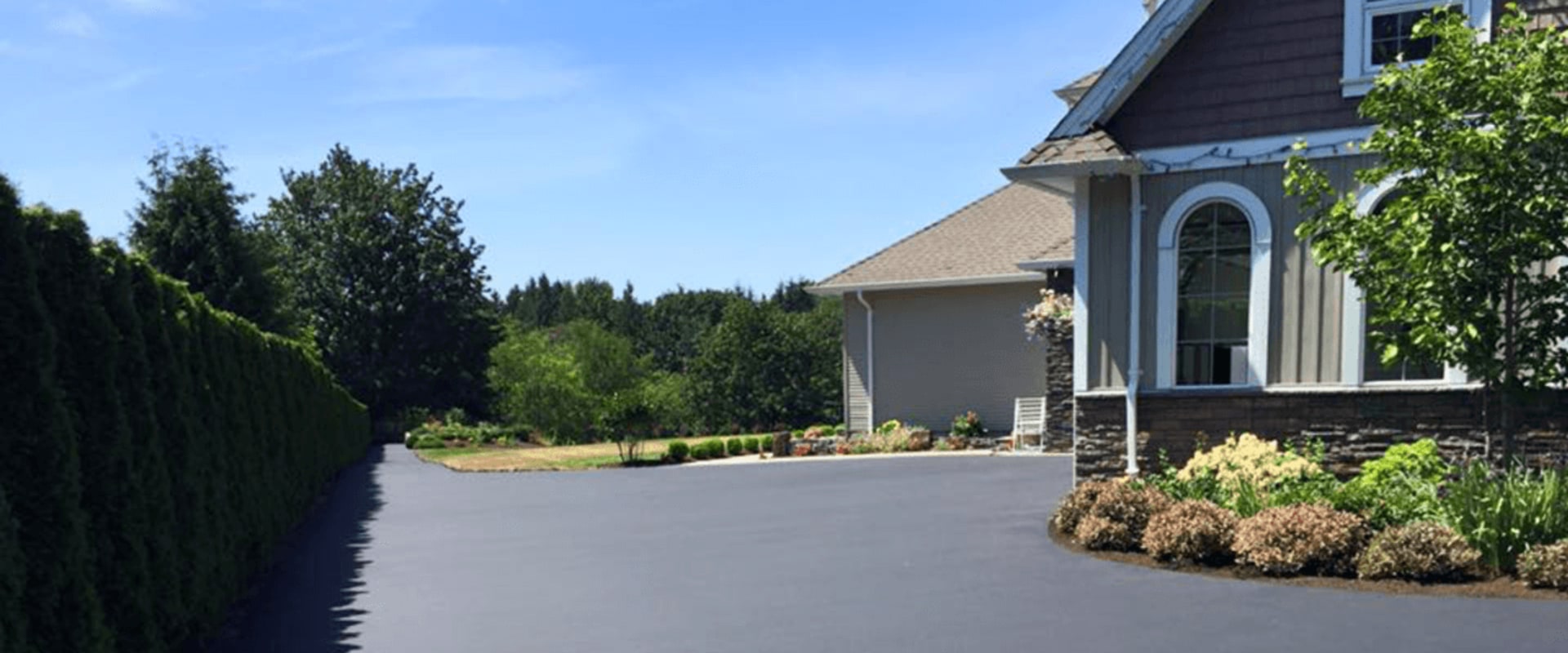
One of the most immediate benefits of professional cleaning is the preservation of visual appeal. Fresh pavement dramatically enhances a property’s appearance, but that impact can fade quickly when dust, stains, tire marks, and debris accumulate. Regular professional cleaning maintains the dark richness of asphalt and the bright uniformity of concrete, reinforcing the property’s overall presentation. This is especially important for commercial spaces where first impressions influence customer perception. Companies such as Freedom Cleaning apply surface-specific techniques that protect new pavement finishes while extending their usable life, helping property owners protect both their investment and their brand image.
Supporting Sealant Performance and Long-Term Maintenance
Many newly paved surfaces eventually receive a sealant to add an additional layer of protection. For that sealant to bond correctly, the pavement must be free of residue, oil, dust, and moisture. Professional cleaning prepares the surface by ensuring optimal adhesion conditions, allowing the sealant to perform at maximum effectiveness. Without this preparation, sealants can fail prematurely, peel, or trap contaminants underneath, leading to uneven protection. By integrating cleaning into the early life of the pavement, property owners establish a strong foundation for long-term maintenance and durability.
A Smart Investment in Protection and Performance
Professional cleaning is not simply about aesthetics—it is a critical step in protecting the performance, strength, and longevity of newly paved surfaces. By removing abrasive debris, preventing chemical absorption, preserving drainage, and preparing surfaces for future sealing, professional cleaning protects against premature damage that often goes unnoticed until costly repairs become necessary. When newly paved areas receive proper cleaning from the start, they deliver greater durability, better appearance, and stronger long-term value for both residential and commercial properties.