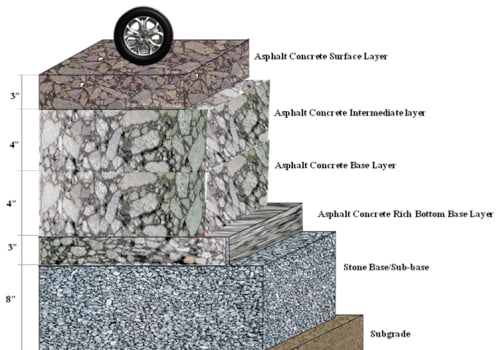
When people think about home improvement and contracting projects, their attention is often directed toward roofs, foundations, kitchens, bathrooms, and landscaping. However, one of the most overlooked aspects of a property's condition is its pavement. Driveways, walkways, parking areas, and access roads play a crucial role in supporting construction activities and maintaining the long-term functionality of a property. For contracting and home service providers, pavement conditions are far more than a cosmetic concern. They directly affect project logistics, equipment access, safety, drainage performance, and even the overall success of renovation efforts. As a result, experienced contractors routinely evaluate pavement conditions before beginning major home improvement projects.
Supporting Safe Access for Construction Activities
One of the primary reasons contractors pay close attention to pavement conditions is the need for safe and reliable access to the job site. Construction projects often require the movement of heavy equipment, material deliveries, dumpsters, trailers, and service vehicles. Cracked, uneven, or deteriorating pavement can create challenges that slow progress and increase safety risks. Poor pavement conditions may make it difficult for equipment operators to maneuver efficiently or could contribute to accidental damage during construction. By assessing pavement quality early in the planning process, contractors can identify potential obstacles and develop solutions that support smoother project execution.
Protecting Property During Renovation Projects
Pavement condition also plays an important role in protecting the property throughout the renovation process. Damaged driveways and walkways may worsen when exposed to increased traffic from construction equipment and workers. Contractors often consider whether temporary protection measures, repairs, or alternative access routes are necessary before beginning work. These precautions help prevent additional deterioration and reduce the likelihood of costly repairs after the project is completed. Homeowners benefit from a more organized work environment and greater confidence that their property will remain in good condition during construction.
Managing Drainage and Water-Related Issues
Many home service providers understand that pavement conditions can reveal larger concerns involving drainage and water management. Cracks, settling, pooling water, and uneven surfaces may indicate underlying grading problems that affect the surrounding property. Poor drainage can contribute to foundation issues, landscape erosion, and moisture-related damage around the home. Before undertaking major renovations, contractors often evaluate pavement performance as part of a broader assessment of site conditions. Addressing drainage concerns early can help protect both existing structures and new improvements from future water-related problems.
Coordinating Exterior and Interior Improvements
Pavement evaluations often become especially important when homeowners are pursuing multiple upgrades simultaneously. Contractors frequently coordinate exterior improvements alongside interior remodeling projects to maximize efficiency and reduce disruptions. For example, homeowners investing in projects such as custom cabinetry installation Brownsburg IN may also decide to improve exterior features that contribute to overall property value and functionality. When pavement conditions are included in the planning process, contractors can better coordinate timelines, material deliveries, and project sequencing. This integrated approach often results in a more streamlined renovation experience and a more cohesive final outcome.
Enhancing Long-Term Property Value
Well-maintained pavement contributes significantly to the long-term value and appearance of a property. Driveways and walkways are among the first features visitors, potential buyers, and service providers notice when arriving at a home. Cracked or deteriorating surfaces can create a negative impression even when other areas of the property are well maintained. Contractors recognize that improving pavement conditions can complement other renovation investments and enhance overall curb appeal. In many cases, relatively minor pavement improvements provide lasting benefits that extend beyond aesthetics.
A Key Element of Successful Home Services
Ultimately, pavement conditions influence far more than the appearance of a property. They affect construction access, safety, drainage, project coordination, and long-term property performance. By paying close attention to pavement quality, contracting and home service providers can identify potential challenges early, protect renovation investments, and create more efficient project plans. This attention to detail helps ensure that both exterior and interior improvements are supported by a stable, functional, and well-maintained property environment.