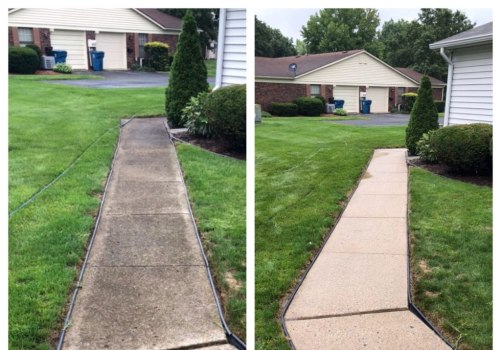
One of the most common mistakes paving contractors make during installation projects is inadequate site preparation. A strong and durable paved surface begins with a properly prepared base, yet rushing this stage can lead to long-term structural issues. Failing to clear debris, compact soil, or address drainage concerns often results in uneven surfaces, cracking, and premature deterioration. Proper planning should also include evaluating soil conditions and ensuring that the site can support the intended load. Skipping these essential steps may save time initially but can lead to costly repairs and dissatisfied clients in the future.
Ignoring Drainage and Water Management
Water is one of the biggest threats to the longevity of paved surfaces, and poor drainage planning is a critical mistake that contractors must avoid. Without effective water management, rainwater can accumulate beneath or on top of the pavement, weakening the foundation and causing erosion. Over time, this leads to cracks, potholes, and surface instability. Incorporating proper grading, drainage channels, and runoff systems is essential to protect the integrity of the pavement. In some cases, working alongside professionals who provide water testing services can help assess underlying conditions that may affect drainage and soil stability, ensuring a more reliable installation.
Using Low-Quality Materials
Another significant mistake is the use of substandard materials. While it may reduce upfront costs, low-quality asphalt or concrete can compromise the durability and performance of the finished surface. Materials that do not meet industry standards are more likely to break down under pressure, weather exposure, and regular use. Contractors should prioritize high-quality materials that are appropriate for the specific project, whether it involves residential driveways, commercial parking lots, or heavy-duty roadways. Investing in better materials ensures a longer lifespan and reduces the need for frequent maintenance.
Improper Installation Techniques
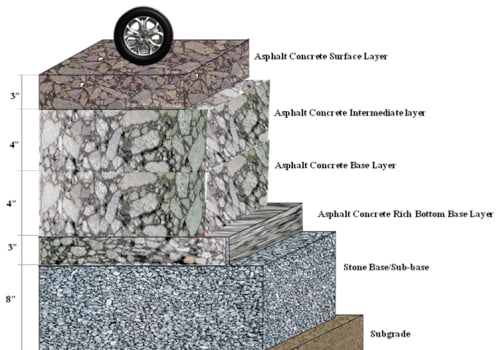
Even with the right materials, improper installation techniques can lead to poor results. Mistakes such as uneven layering, inadequate compaction, or incorrect thickness can weaken the pavement structure. These errors often result in visible defects like cracks, depressions, and uneven surfaces. Skilled contractors understand the importance of following precise installation methods and using the right equipment to achieve a smooth and durable finish. Attention to detail during this stage is crucial for ensuring that the pavement performs as expected over time.
Overlooking Weather Conditions
Weather conditions play a significant role in paving projects, yet they are sometimes overlooked during installation. Extreme temperatures, moisture, or sudden weather changes can affect how materials set and cure. For example, paving in cold or wet conditions can prevent proper bonding, leading to reduced strength and durability. Contractors should carefully monitor weather forecasts and schedule installations under favorable conditions to achieve optimal results. Taking weather into account helps ensure that the pavement is installed correctly and maintains its integrity.
Failing to Prioritize Maintenance Planning
A final mistake to avoid is neglecting long-term maintenance considerations. Even the best-installed pavement requires regular upkeep to remain in good condition. Contractors should educate clients on proper maintenance practices, such as sealing, cleaning, and timely repairs. Providing guidance on how to care for the paved surface helps extend its lifespan and maintain its appearance. By planning for maintenance from the outset, contractors can deliver more sustainable and reliable results.
Delivering Quality Through Best Practices
Avoiding these common mistakes is essential for achieving successful paving installation projects. By focusing on proper preparation, effective drainage, quality materials, and skilled installation techniques, contractors can create durable and long-lasting surfaces. Attention to detail and proactive planning not only improve project outcomes but also enhance client satisfaction, ensuring that the finished pavement meets both functional and aesthetic expectations.