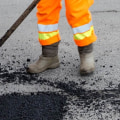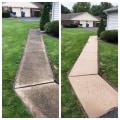
Most people think a street or driveway is a simple stack of layers—gravel, base, asphalt, maybe concrete—until something fails underneath and suddenly everyone notices the invisible world below. That’s where the underground conflict between paving contractors and plumbers starts: not with shouting, but with schedules, liability, and whose work gets blamed when the surface buckles. Pavers see clean lines, proper compaction, and a finish that stays smooth through heat and storms. Plumbers see pressurized systems, drainage flow, and pipes that must survive shifting soil and heavy loads. Both are right, and that’s exactly why they collide: they’re responsible for different realities occupying the same footprint, and when one reality changes, it can wreck the other. A water line repair can mean a trench sliced through a perfectly compacted base, leaving a weak seam that later telegraphs into cracks. A new driveway can add weight and alter grading, pushing runoff toward a foundation drain that was already marginal. Even when neither trade “did it wrong,” the physics of dirt, water, and vibration creates a chain reaction that looks like someone messed up, and the finger-pointing begins in the most polite way possible: emails, photos, and the phrase “pre-existing condition.”
Pipes, Patches, and the Politics of the Cut
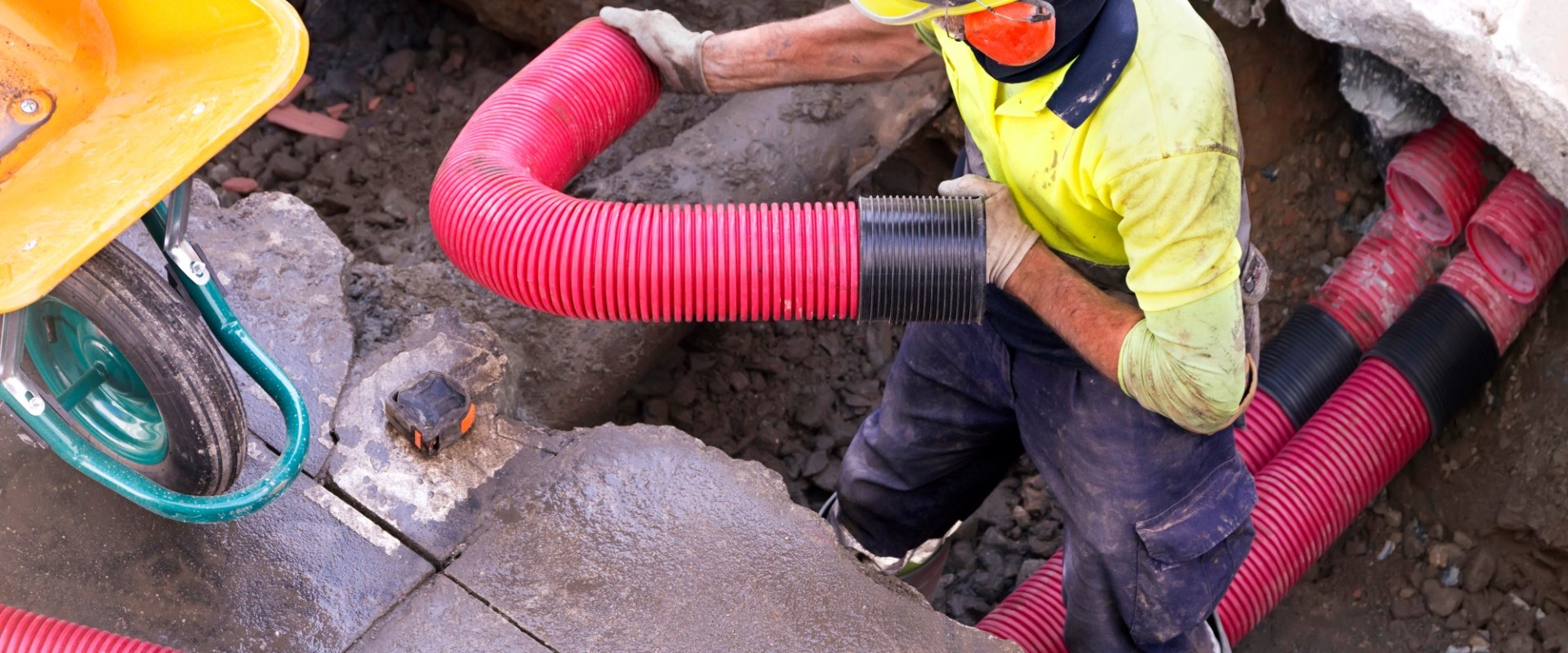
The sharpest friction happens at the moment of excavation, because the ground doesn’t care about craftsmanship—it remembers disturbance. Plumbers often have to dig fast to stop leaks, replace collapsed sewer laterals, or fix unexpected breaks that don’t wait for a paving calendar. Paving contractors, meanwhile, live and die by timing: base prep, moisture conditions, rolling patterns, cure windows, and customer expectations that a brand-new surface should look brand-new everywhere. When a plumber’s trench gets backfilled poorly, even slightly, it can settle later and create a dip that becomes a puddle that becomes ice or algae or a pothole, and the homeowner complains to the paver first because the problem is visible on top. But plumbers will argue that pavement failures frequently reveal older pipe issues: constant moisture from a slow leak softens subgrade, undermining compaction from beneath until the surface alligators. Add utility locates, permits, and the not-so-fun reality that some pipes weren’t mapped accurately decades ago, and you get a situation where both trades feel set up to fail. In cities like Raleigh, where growth means constant digging, coordination matters as much as technique—yet coordination is the first thing sacrificed when urgency hits. The conflict isn’t always personal; it’s systemic. Still, it becomes personal when one crew arrives and sees someone else’s saw-cut line across their finished work, or when a plumber gets blamed for a crack pattern that was forming long before the first shovel touched dirt. In the middle are homeowners, property managers, and inspectors trying to translate competing narratives into one clear answer: who fixes what, who pays, and how do we prevent it next time?
Truces That Actually Work
The best peace agreements aren’t speeches—they’re checklists and shared standards. Good pavers document base depth, compaction, and drainage paths; good plumbers document trench bedding, backfill lifts, and where the line sits relative to the pavement structure. When both sides communicate early—before the pour or the final roll—conflict turns into planning: sleeves under driveways for future lines, proper trench restoration specs, and realistic cure times after cuts. Some crews even schedule joint walk-throughs so everyone sees the same site conditions and the same risks. That’s where a name like Plumbing Services of Raleigh can fit naturally into the conversation—not as a magic solution, but as a reminder that the plumbing side can be done with the same surface-awareness that top crews expect below. Ultimately, the underground conflict ends the moment both trades admit a shared truth: pavement is only as stable as what happens beneath it, and pipes only stay healthy when the ground around them is respected.