Asphalt and concrete surfaces are designed to withstand years of daily use, but their longevity depends on far more than the quality of the paving materials themselves. Whether constructing driveways, parking lots, sidewalks, roadways, or commercial loading areas, long-term performance begins with careful structural planning before the first layer of material is installed. Many surface failures that appear years later—such as cracking, rutting, uneven settlement, potholes, or water damage—can often be traced back to issues beneath the surface rather than problems with the pavement itself. Structural planning ensures that the underlying foundation, drainage systems, soil conditions, and anticipated traffic loads are all evaluated before construction begins. By addressing these factors early, engineers and contractors create paving systems that distribute weight more effectively, resist environmental stresses, and maintain their structural integrity over time. This proactive approach helps property owners maximize their investment while reducing future maintenance and repair costs.
Strong Foundations Create Longer-Lasting Pavement
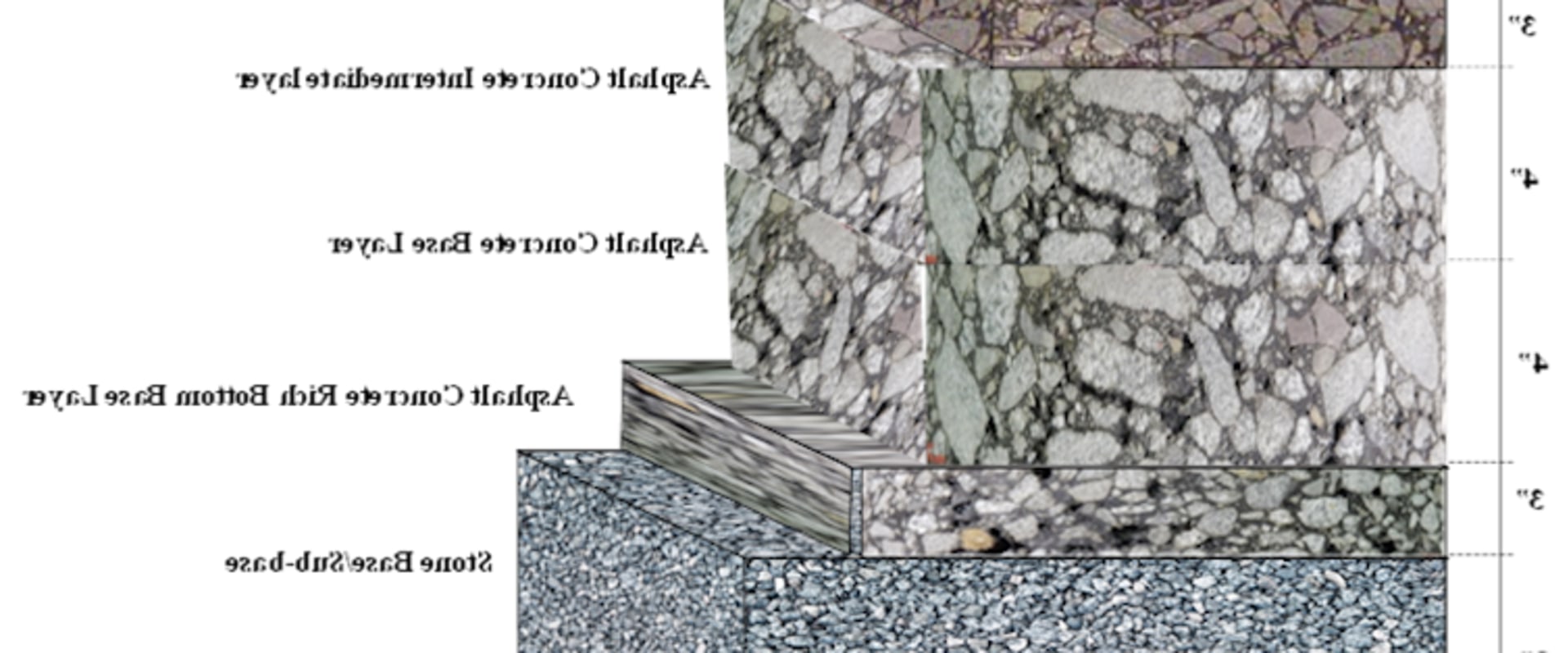
One of the most important elements of structural planning is evaluating the conditions beneath the asphalt or concrete surface. Soil composition, moisture content, compaction, and load-bearing capacity all influence how pavement performs throughout its lifespan. If the underlying subgrade lacks sufficient stability, even high-quality asphalt or concrete may begin to crack or settle prematurely under repeated traffic loads. Structural engineers carefully assess these site conditions to determine whether soil improvements, additional base materials, or specialized reinforcement methods are necessary before paving begins. Proper grading also plays a critical role by directing water away from paved surfaces and preventing erosion beneath the pavement structure. Companies such as Open Concept Engineering understand that successful pavement systems depend on comprehensive engineering analysis that considers both visible surface requirements and the hidden structural elements supporting them. This attention to detail helps reduce long-term deterioration while improving the reliability of paved infrastructure.
Drainage and Load Distribution Matter
Water is one of the leading causes of pavement deterioration, making effective drainage an essential component of structural planning. Standing water, poor runoff, or excessive moisture beneath paved surfaces can weaken supporting soils, contribute to freeze-thaw damage in colder climates, and accelerate the breakdown of asphalt and concrete materials. Engineers design grading, drainage channels, stormwater systems, and subsurface drainage solutions that help control moisture before it creates structural problems. In addition to water management, structural planning evaluates how anticipated vehicle traffic will affect pavement performance. Residential driveways, commercial parking lots, industrial facilities, and public roadways all experience different loading conditions that influence pavement thickness, reinforcement requirements, and material selection. Proper load distribution prevents localized stress concentrations that may otherwise lead to cracking, deformation, or premature surface failure. By integrating these engineering principles into the design process, pavement systems remain stronger and more resilient under everyday use.
Long-Term Value Through Thoughtful Engineering
Structural planning offers significant long-term benefits that extend well beyond the initial construction phase. Well-designed asphalt and concrete surfaces typically require fewer repairs, experience lower maintenance costs, and provide safer conditions for pedestrians and vehicles alike. Property owners benefit from improved durability, fewer disruptions caused by resurfacing projects, and greater confidence that their paved surfaces will continue performing as intended for many years. Preventive engineering also supports sustainability by extending pavement lifespan, reducing material waste, and minimizing the need for extensive reconstruction. Regular inspections and maintenance become more effective when the original structural design has been carefully developed to accommodate environmental conditions and expected usage patterns. Ultimately, the lifespan of asphalt and concrete surfaces depends not only on quality materials but also on the engineering decisions made before construction ever begins. Through comprehensive structural planning, careful site evaluation, and proper drainage design, engineers help create pavement systems that remain durable, stable, and functional while protecting property investments and supporting reliable infrastructure for decades to come.