When people admire a newly completed driveway, walkway, patio, or parking area, their attention is usually drawn to the smooth finish and attractive appearance of the surface itself. However, what lies beneath the pavement is often far more important than what is visible above ground. The longevity and durability of any paved surface depend heavily on the quality of its base installation. A properly prepared foundation distributes weight evenly, provides adequate drainage, and minimizes movement caused by changing weather conditions or daily traffic. Even the highest-quality paving materials cannot compensate for an unstable or poorly compacted base. Without proper preparation, surfaces may begin to settle unevenly, develop cracks, or experience premature deterioration that requires expensive repairs long before the pavement reaches its expected service life. Investing time and attention in the foundation ensures that the finished surface remains strong, stable, and visually appealing for many years.
A Stable Foundation Supports Long-Term Performance
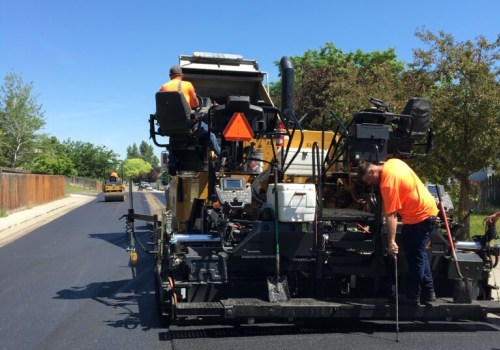
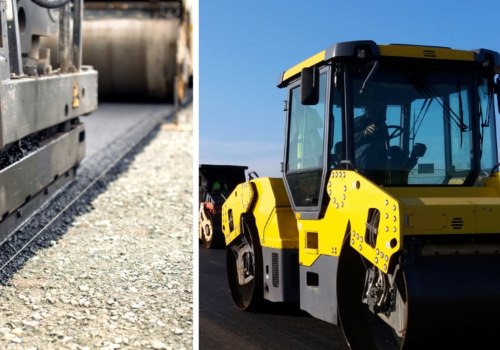
The first step in creating a durable paved surface involves carefully preparing the ground beneath it. Contractors remove unsuitable soil, organic material, and debris before evaluating the site's natural conditions. Depending on soil composition and drainage characteristics, additional excavation or stabilization may be necessary to create a reliable base capable of supporting future loads. Layers of crushed stone or aggregate are then installed and compacted in stages to achieve the proper density. This process reduces the likelihood of future settlement while allowing the base to support both the weight of the paving material and the vehicles or pedestrians using the surface. Proper grading also plays an important role by directing water away from the pavement rather than allowing it to collect beneath the structure. These preparation steps may seem time-consuming, but they significantly improve the overall strength and lifespan of the finished installation.
Drainage and Material Selection Work Together
Water is one of the greatest threats to paved surfaces, making drainage an essential consideration during base installation. When moisture becomes trapped beneath pavement, repeated cycles of saturation and drying—or freezing and thawing in colder climates—can gradually weaken the supporting layers. Over time, this movement creates voids that contribute to cracking, rutting, or uneven settling. Properly graded foundations, permeable aggregate layers, and effective drainage systems help minimize these risks by allowing excess water to move away from the paved surface. Material selection also contributes to long-term durability. Contractors choose aggregates with suitable strength, particle size, and compaction characteristics to create a stable foundation capable of withstanding anticipated traffic conditions. While decorative building materials such as quartz are valued for their appearance and durability in interior applications, the same principle of selecting appropriate materials for their intended purpose applies equally to paving foundations, where structural performance always takes priority over aesthetics.
Careful Preparation Reduces Future Maintenance
The quality of the base installation directly influences the amount of maintenance a paved surface will require throughout its lifespan. A well-constructed foundation helps prevent many of the common issues that lead to costly repairs, including surface cracking, potholes, edge deterioration, and uneven settlement. Routine maintenance such as sealing, cleaning, and occasional repairs remains important, but these efforts become far more effective when the pavement rests on a stable base. Contractors also consider expected traffic loads during construction, ensuring the thickness of both the base and the paving material matches the intended use of the surface. Residential driveways, commercial parking lots, pedestrian pathways, and industrial loading areas each require different structural designs to perform reliably over time. By focusing on proper excavation, compaction, drainage, and material selection before the visible surface is installed, construction professionals create paved areas that deliver lasting performance, improved safety, and better value for property owners. Although the finished pavement receives most of the attention, its true strength comes from the carefully engineered foundation hidden beneath, making proper base installation one of the most important investments in the entire construction process.